

On 20th April the Lodge received a talk from Shailesh Maide from the British Heart Foundation about Dementia. The talk gave an explanation of what Dementia is, explained about the different types of dementia. The information from the talk is as follows:
The Main Types of Dementia
Dementia is an umbrella term for conditions that affect memory, thinking, behaviour, and daily functioning. The main types are:
Alzheimer’s Disease
- The most common form
- Caused by abnormal proteins (amyloid and tau) building up in the brain
- Early signs include memory loss, repeating questions, and difficulty learning new information
Vascular Dementia
- The second most common type
- Caused by reduced blood flow to the brain due to:
- Small strokes
- “Ministrokes” (TIAs)
- High blood pressure
- Diabetes
- High cholesterol
- Smoking
- Early signs include slowed thinking, difficulty planning, mood changes, and walking imbalance
Lewy Body Dementia
- Caused by abnormal protein deposits called Lewy bodies
- Early signs include visual hallucinations, fluctuating alertness, and Parkinsonlike movement issues
Frontotemporal Dementia (FTD)
- Affects the frontal lobes (behaviour) and temporal lobes (language)
- Early signs include personality change, loss of inhibition, and language difficulties
Mixed Dementia
- VA combination of types, often Alzheimer’s + Vascular
- Very common in older adults

What Exactly Is Vascular Dementia?
Vascular dementia happens when the brain does not get enough blood flow. This can be due to:
- Small vessel disease
- Ministrokes (often silent)
- Reduced perfusion from high blood pressure or stiff arteries
A simple way to explain it is: if the brain’s blood supply is interrupted, even briefly, the brain cells don’t get oxygen. Over time, these tiny injuries add up. Because it is driven by bloodflow problems, vascular dementia is the most preventable and the most stabilisable form of dementia.
Strategies to Reduce Progression and Support Stability
These strategies do not replace medical treatment, but they are strongly associated with slowing decline, stabilising symptoms, and improving daytoday functioning.
Blood Pressure Stability (The Most Important Factor)
High or fluctuating blood pressure damages small vessels in the brain. Helpful approaches:
- Regular sleep and wake times
- Morning light exposure
- Daily walking
- Reducing salt and ultraprocessed foods
- Stress reduction techniques (slow exhale, humming, gentle yoga)
Why it matters: Stable blood pressure means fewer new microstrokes and slower progression.
Blood Sugar Control
High glucose damages small vessels and increases inflammation. Helpful approaches:
- Fibre + protein at meals
- A ten minute walk after eating
- Avoiding latenight eating
- Reducing sugary snacks and refined carbohydrates
Why it matters: Stable glucose protects the brain’s small vessels.
Movement (The Brain’s Natural Blood Flow Booster)
Movement increases blood flow to the brain and stimulates BDNF, a chemical that supports brain repair. Helpful approaches:
- Daily walking (even 10–15 minutes twice a day)
- Light strength exercises
- Chairbased exercises if mobility is limited
Why it matters: Movement improves blood flow immediately.
Sleep Quality
Poor sleep increases inflammation and reduces the brain’s ability to clear toxins. Helpful approaches:
- Regular bedtime
- Dark, cool bedroom
- No screens 60–90 minutes before bed
- Avoid heavy meals late in the evening
Why it matters: Good sleep improves memory, mood, and daytime clarity.
Reduce Inflammation
Inflammation accelerates vascular damage. Helpful approaches:
- Omega3 rich foods (oily fish, nuts, seeds)
- Reducing alcohol
- More vegetables and whole foods
- Social connection (reduces inflammatory stress hormones)
Why it matters: Lower inflammation slows vessel damage.
Strengthen the Vagal Brake (StressReduction Physiology)
Stress increases sympathetic activity, which leads to higher blood pressure, causing more vessel damage. Helpful approaches:
- Slow exhale breathing (4 seconds in, 6 seconds out)
- Humming
- Gentle yoga
- Safe social connection
- Morning sunlight
Why it matters: A stronger vagal brake helps keep blood pressure calmer and more stable.

Cognitive & Lifestyle Strategies That Support Daily Function, Routine and Structure
Predictability reduces cognitive load. Examples:
- Same wake time
- Same meal times
- Same walking routine
- Clear daily plan
Cognitive Stimulation
Realworld engagement is more effective than 'brain games'. Examples:
- Conversation
- Reading together
- Music
- Simple puzzlesv
- Learning small new skills
Social Interaction
One of the strongest protectors against decline. Examples:
- Family visits
- Community groups
- Faith groups
- Light volunteering
What May Improve Day To Day Function
These are not cures, but many people experience noticeable improvements in clarity and mood when:
- sleep improves
- blood pressure stabilises
- blood sugar stabilises
- daily walking is consistent
- stress is reduced
- routine is predictable
- social connection is maintained
Families often report: “They seem sharper on days when they’ve slept well, walked, eaten regularly, and stayed calm”. This matches what we know about brain physiology.
Summary
- Alzheimer’s = protein buildup
- Vascular dementia = bloodflow damage
- Lewy Body = hallucinations + movement issues
- FTD = personality or language changes
- Mixed dementia = a combination
- Vascular dementia is the most preventable
- Protect your blood vessels → protect your brain
Important Caveat
I can offer general guidance, but personalised medical advice must always come via your GP, who can assess individual risks, medications, and health conditions.
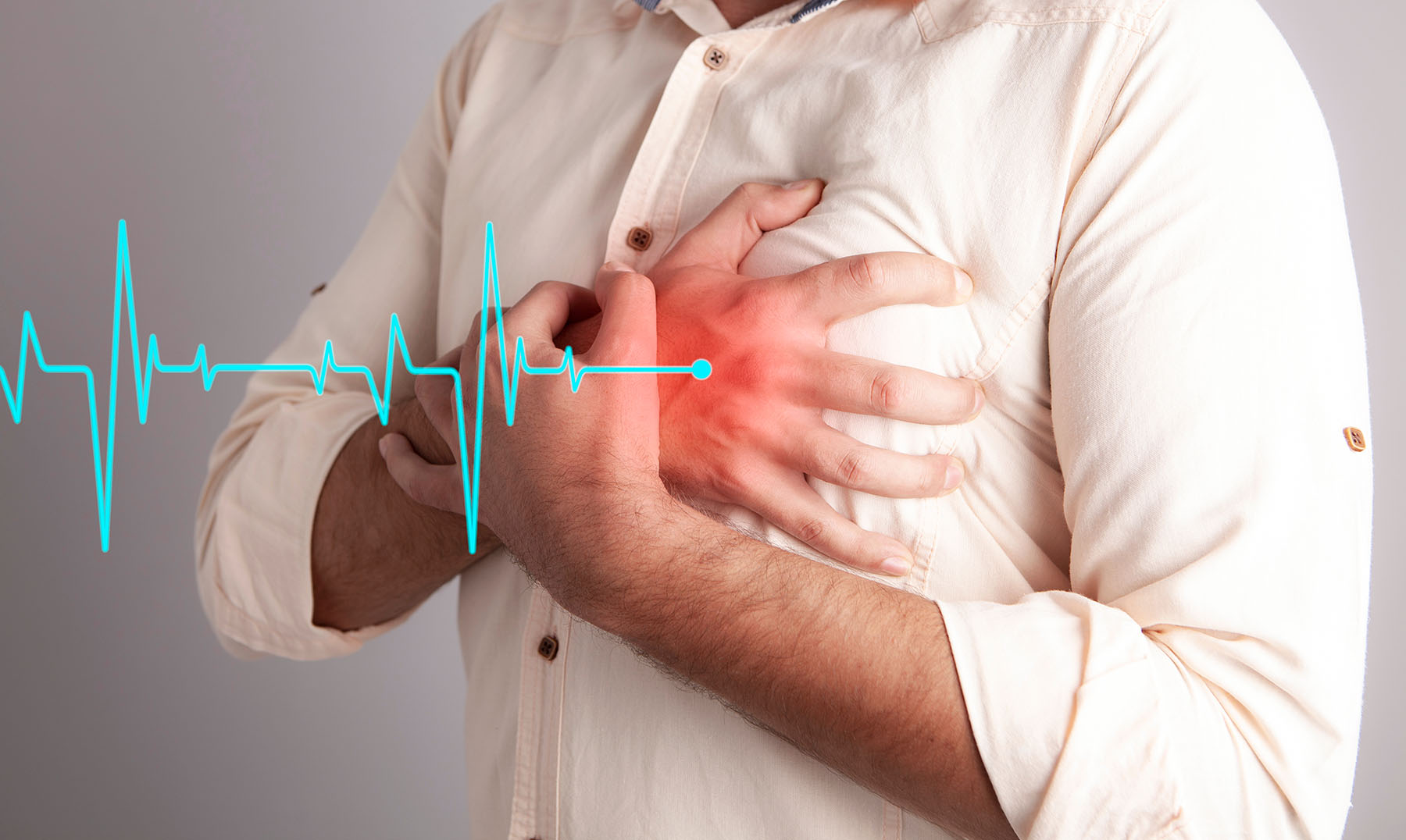
Protecting Your Heart: What You Can Do Today
Movement
- Increase pace gradually
- Take breaks
- Walking is enough
Alcohol & Stress
- Know your units
- Avoid daily drinking
- Breathing, walking, social connection
Nutrition
- Reduce processed foods
- Lower salt
- More fibre, fruit, vegetables
- Swap butter for olive oil
- Reduce processed meats
Blood Pressure
- Annual checks
- Home monitors are fine
Cardiac Arrest: What Everyone Should Know
- 8 in 10 cardiac arrests happen at home
- Every minute without CPR reduces survival by up to 10%
- CPR within 1–3 minutes can dramatically increase survival
- Learn CPR in 15 minutes: Search 'BHF RevivR
Defibrillators Save Lives
- Many defibrillators are never used because emergency services don’t know where they are
- Register yours on The Circuit – the national defibrillator network, visit: thecircuit.uk
Support from the British Heart Foundation
- Heart Helpline – speak to cardiac nurses
- HealthUnlocked – peer support community
- Heart Matters – free magazine and online resources
- Volunteer, donate, or take part in events at bhf.org.uk
Small steps, done consistently, protect your heart

< return to News Index
